Zoe Meier · 19 September 2026
Mapping User Behavior Patterns to Improve Long-Term Visibility in Search Results
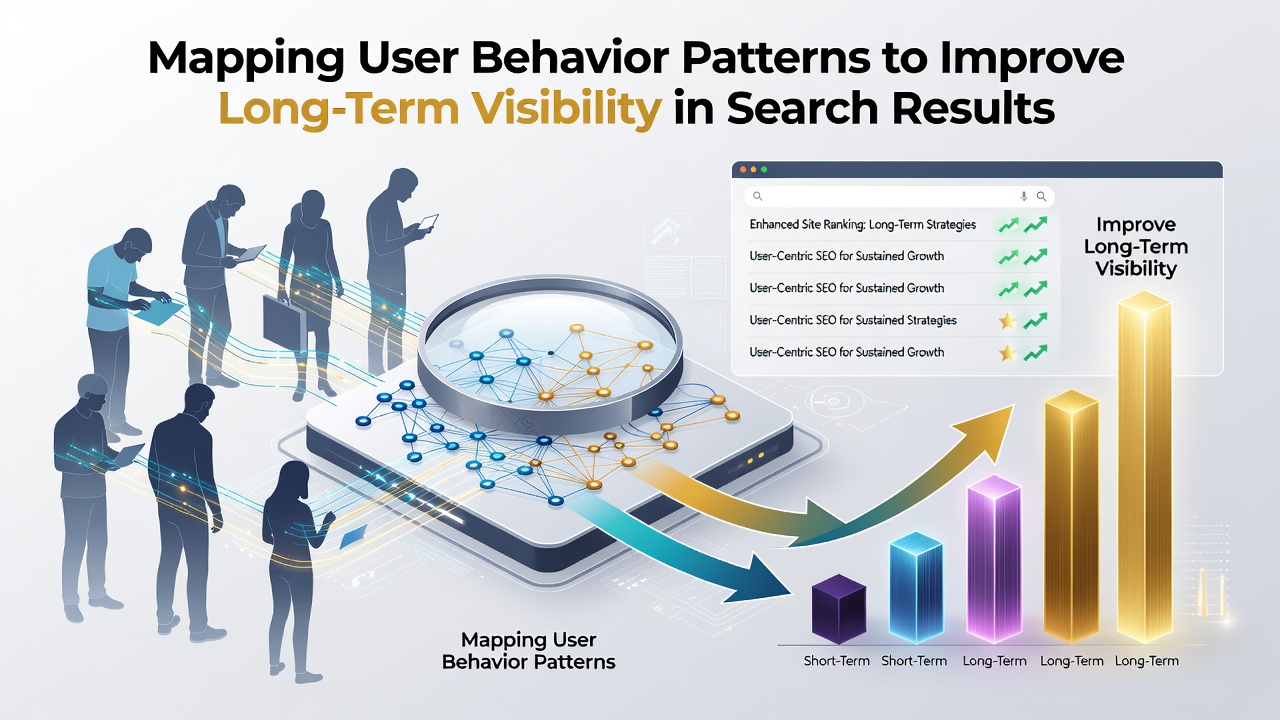
Search engines track a range of user interactions that include click-through rates, dwell times, bounce rates, and return visits, and these signals help determine how pages rank over extended periods. Researchers at various institutions have documented how patterns in navigation sequences and content consumption correlate with sustained visibility gains across multiple algorithm iterations.
Core Signals That Shape Ranking Stability
Click-through rates from search results pages serve as an initial filter while subsequent metrics like scroll depth and time spent on specific sections provide deeper indicators of relevance. Data from academic analyses shows that pages maintaining above-average engagement durations tend to accumulate authority signals that persist through updates, whereas rapid exits often trigger downward adjustments in positioning. Observers note that pogo-sticking behavior, where users quickly return to results after landing on a page, frequently coincides with visibility drops in subsequent crawls.
Studies conducted across different regions reveal consistent relationships between session length and long-term ranking endurance. For instance, a report issued by the European Commission on digital market dynamics highlights how aggregated user flow data influences how algorithms weigh site quality over months rather than days. Those who examine server logs alongside search console outputs frequently identify clusters of behavior that precede sustained improvements or declines in impressions.
Methods for Collecting and Interpreting Behavior Data
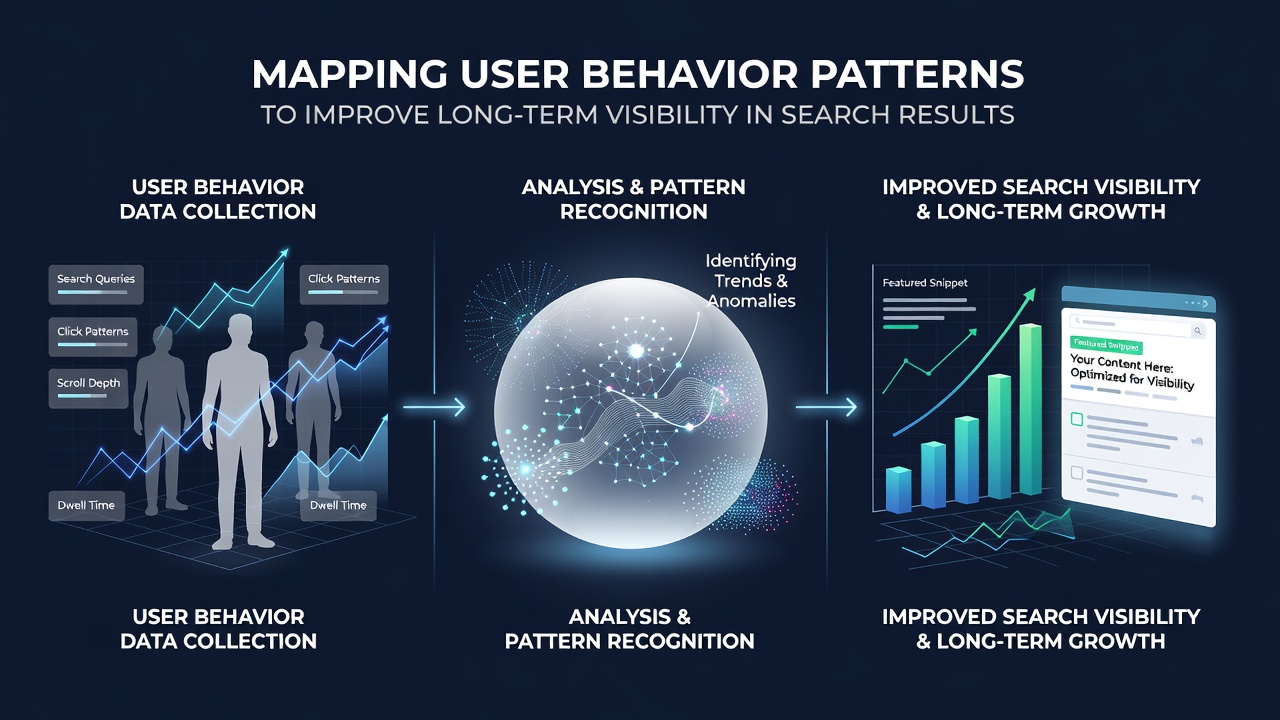
Analytics platforms integrated with heat-mapping software allow site operators to visualize where attention concentrates on individual pages, and these visualizations often align with shifts in organic performance tracked over quarterly periods. Machine learning models trained on historical interaction datasets can surface recurring sequences that precede ranking gains, such as repeated visits from the same geographic cohorts or repeated searches leading to the same content cluster.
Tools that aggregate anonymized session recordings help identify friction points where users abandon navigation, and addressing these points has been linked in multiple industry reports to gradual upward movement in result positions. In September 2026 several major engines expanded their use of behavioral embeddings that incorporate cross-device patterns, which means mapping efforts now require consideration of mobile scroll velocity alongside desktop click distributions.
Practical Applications Across Different Site Types
E-commerce platforms that map product page interactions to search query refinements often see category pages maintain higher visibility when user paths indicate clear purchase intent signals. News and information sites benefit when exit patterns are analyzed against content freshness indicators, since prolonged engagement on updated articles tends to reinforce topical authority in algorithm evaluations.
Academic repositories that track citation clicks alongside full-text downloads have demonstrated that behavioral clusters around specific papers can influence how related institutional pages rank in scholarly search results. Government portals from various countries, including those maintained by Australian digital service teams, apply similar mapping techniques to ensure citizen navigation paths support consistent discoverability of public resources.
Long-Term Visibility Outcomes and Algorithm Feedback Loops
Evidence accumulated over multiple years indicates that consistent alignment between mapped behavior patterns and content adjustments produces compounding effects on impression share. When sites iteratively refine navigation structures based on observed user sequences, they tend to experience fewer volatility spikes during core updates because the underlying engagement metrics remain stable.
Figures released through research channels such as Pew Research Center analyses of online search habits demonstrate that users who encounter well-structured result sets return to the same domains more frequently, which in turn feeds positive signals back into ranking systems. This feedback mechanism operates across both consumer and enterprise search environments.
Conclusion
Mapping user behavior patterns supplies concrete inputs that search systems already incorporate into their evaluation frameworks, and organizations that systematically track these patterns position their content for more resilient visibility over successive algorithm cycles. Continued refinement of data collection methods will likely remain central to maintaining performance as engines incorporate additional behavioral dimensions in the years ahead.